What is LoRaWAN?
LoRaWAN is a data transmission technology designed for wireless data transfer. It's built to move small amounts of data quickly using very little energy. It connects battery-powered sensors to a network.
LoRa is short for "Long Range". The longer abbreviation, LoRaWAN, stands for "Long Range Wide Area Network." LoRaWAN is a radio technology.
LoRaWAN technology enables a variety of practical monitoring solutions — from tracking equipment and machine utilisation to measuring temperature, humidity, and water or fuel consumption.
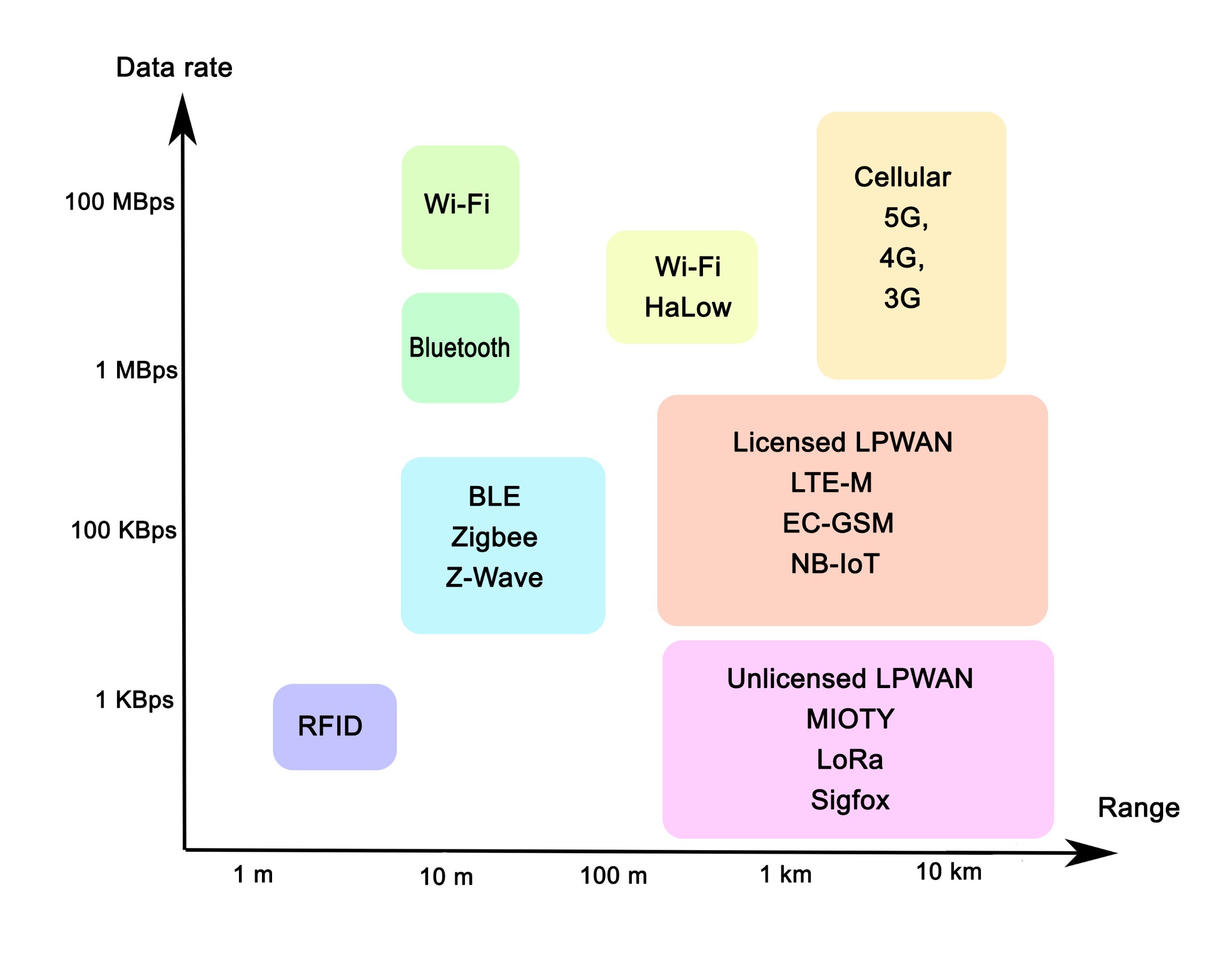
The strengths of LoRaWAN are its long signal range and low power consumption, with the trade-off being limited data throughput.
Key facts about LoRa devices
How do LoRa devices work?
LoRa devices use a radio connection to transfer data. They're comparable to mobile phones: each device has its own battery and gets an internet connection as long as a base station is within range. If the device is too far from a base station, the connection slows and eventually drops.
What are LoRa devices used for?
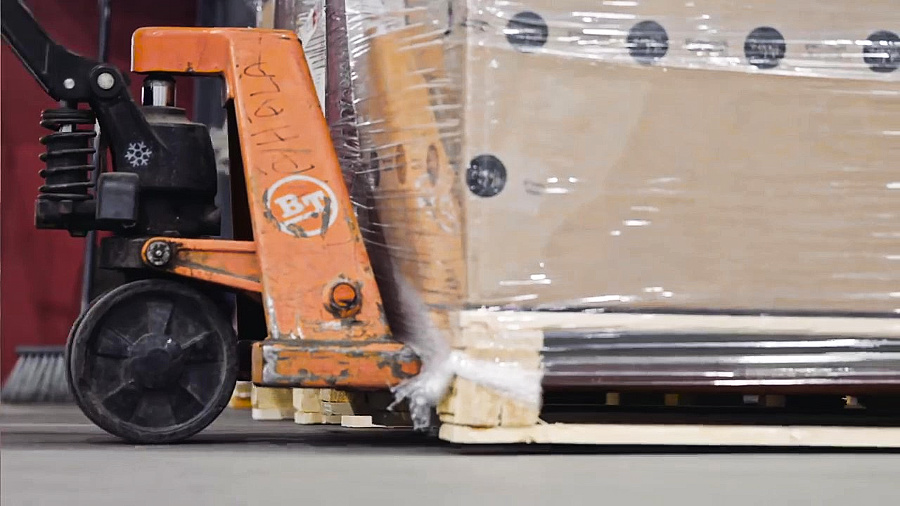
LoRa sensors can be used to measure, for example:
- Temperature and humidity
- Location of equipment, vehicles, and machinery
- Equipment and machine utilisation
- Impacts and vibration
- Water consumption
- Waste bin fill levels
- Liquid tank fill levels
- Water leaks
- Visitor counts
Collected data can be used for analysis and monitoring. It can also trigger alerts — for example when a temperature drops too low, a water leak is detected, or carbon monoxide levels rise.
How much does a LoRa device cost?
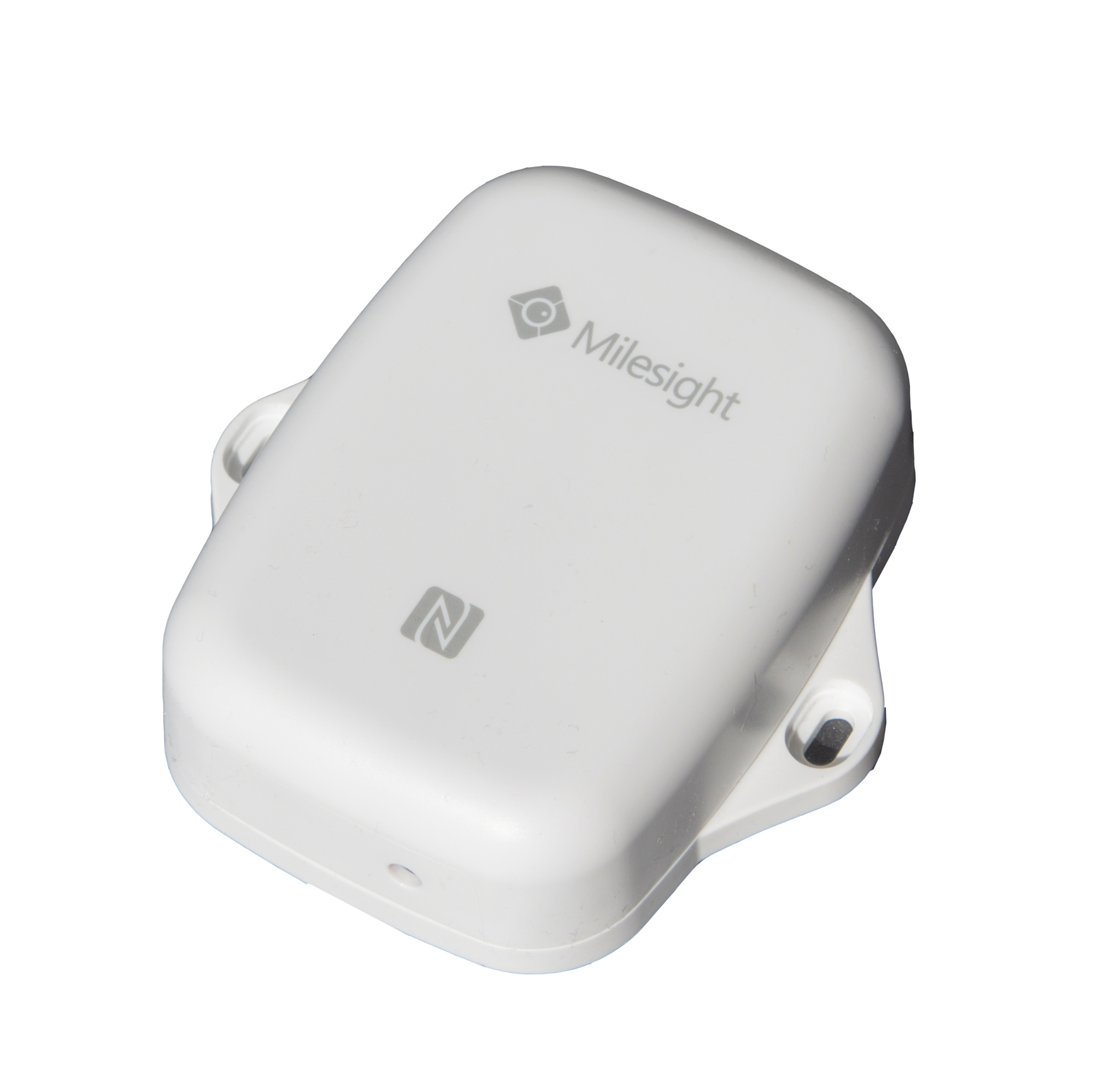
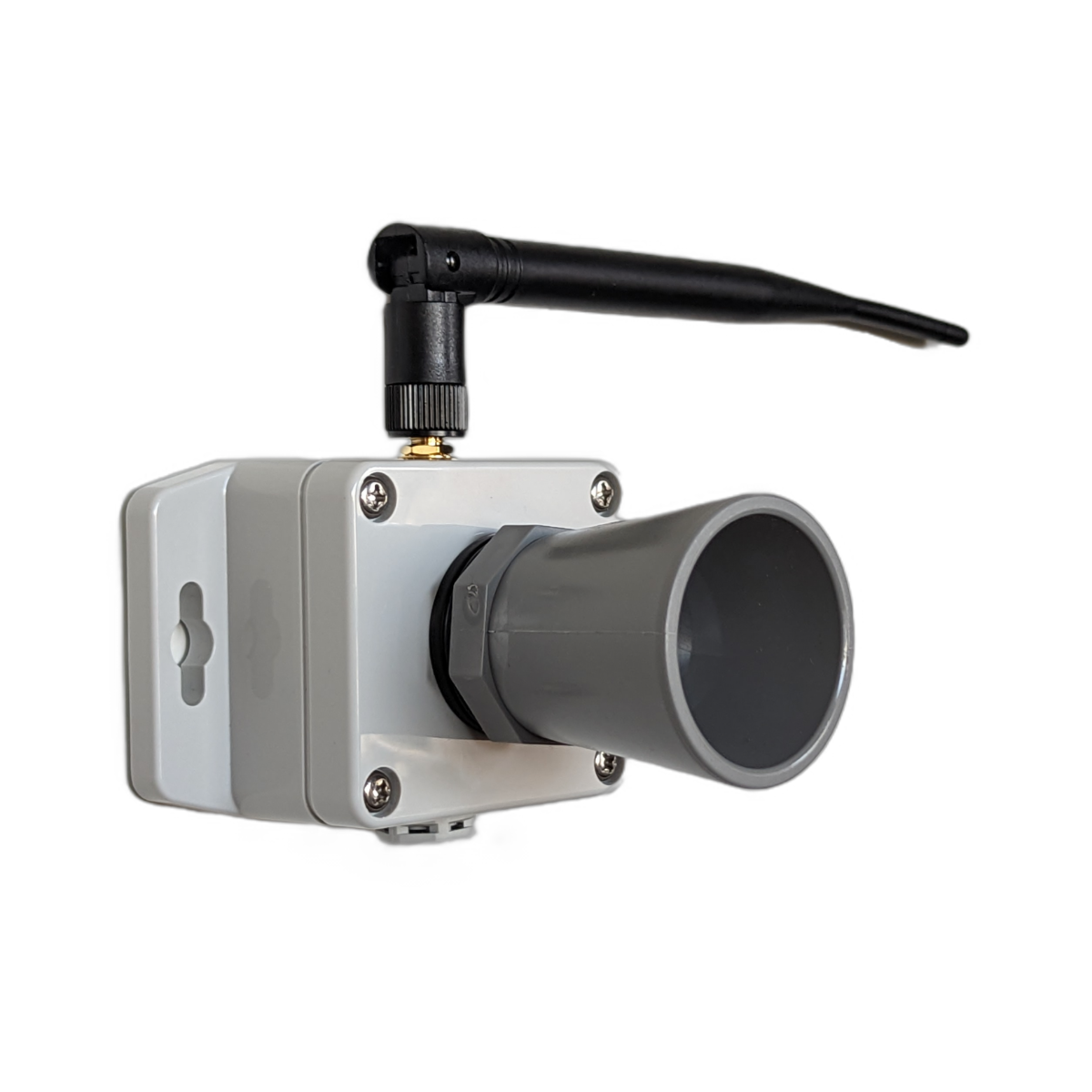
Prices vary depending on use case, sensors, enclosure, and antenna.
Device prices typically range from €50–€400. High-precision industrial devices can cost several thousand euros.
Kaltiot offers a comprehensive range of LoRa devices from various manufacturers. Devices are delivered pre-configured and connected to the Kaltiot Smart Tracker service. If you don't see what you need, just ask!
Key features of LoRa solutions
Benefits of LoRaWAN in IoT solutions
- Low power consumption
- Long signal range
- Simple installation and low hardware and licence costs
- Coverage can be extended by adding more base stations
LoRa devices are not a suitable solution when real-time data transfer or high data volumes are required.
Long signal range
LoRaWAN end devices can operate at ranges of up to 20 km in open terrain. In dense urban areas the range is a few kilometres. Range varies with obstacles and elevation differences.
Finland has a nationwide base station network, so LoRa devices work almost anywhere in Finland. The LoRaWAN network is a global open standard — coverage can be improved with customer-specific additional base stations.
The biggest obstacle to coverage is the structure housing the device. If a device is inside a metal-walled cabinet in a basement machine room, the signal may not pass through the metal and concrete layers.
Low power consumption
The LoRaWAN standard places strong emphasis on low power consumption. Battery life can be 5–10 years.
Battery life depends on the amount of data transmitted, transmission frequency, and signal strength to the base station. To optimise battery life, the amount and frequency of data sent over the LoRaWAN network should be minimised. For example, a motion sensor should not transmit every single movement, but rather the number of movements detected over the last 15 minutes.
LoRaWAN networks
Digita's LoRaWAN network
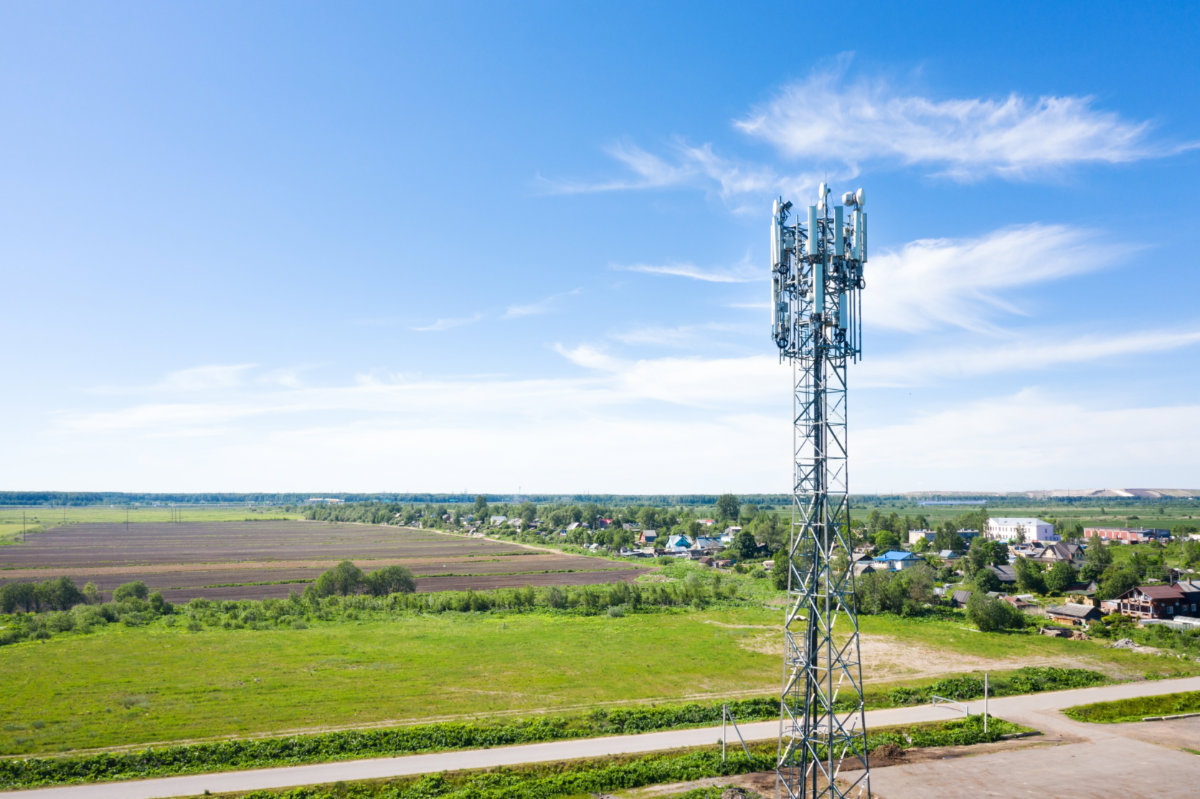
For a LoRa device to work, it must be connected to a LoRaWAN network. In Finland, Digita operates a LoRaWAN network covering the entire country. In practice, Digita acts as a network operator for LoRa devices in the same way that Elisa, DNA, and Telia operate mobile networks. In Sweden, the networks are operated by Netmore and Pingday AB.
Customer's own LoRaWAN network
A LoRaWAN router can create a local LoRaWAN network with a range of several kilometres. A LoRaWAN router is typically about the size of a home Wi-Fi router and costs a few hundred euros. The router is connected to power and an internet cable.
A local LoRa network is well suited to factory environments — LoRa sensors can be used in a factory to monitor temperatures and the internal supply chain.
A single 8-channel base station can relay over 100,000 messages per day — enough for over 4,000 sensors each transmitting data once per hour.
LoRa devices work together with the Kaltiot IoT platform
The Kaltiot IoT platform makes it easy to use LoRa devices from different manufacturers together, and also alongside other IoT technologies. You can combine BLE tags, LoRa devices, LTE sensors, and other IoT devices in the same system.
Kaltiot solutions allow you to mix existing and new devices freely — the Kaltiot IoT platform and LoRa solutions enable highly flexible monitoring.